From Natural Potential To Global Opportunity.
At JPGL, innovation begins with curiosity about the world around us. Our approach encourages learners to investigate natural resources, understand their properties, explore their value chains and identify opportunities for responsible transformation. Through science, technology and entrepreneurship, students learn to move from observation to investigation, from investigation to innovation, and from innovation to practical livelihood opportunities.

Natural Resource Value Chains
Understanding how local resources move from the field to markets, and where sustainable value can be created along the way.

Applied Science and Technology
Connecting scientific understanding with practical technologies, production systems and problem-solving.

Entrepreneurship and Enterprise Development
Developing the ability to recognise opportunities, adapt to challenges and create value.

Innovation Studios
Hands-on spaces where learners turn knowledge and ideas into working prototypes, early-stage ventures and practical livelihood opportunities.
Research and Development
Applied research that tests and refines ideas in the field, alongside theory, rather than in place of it.

Field Learning and Biodiversity
Understanding the scientific, economic and livelihood potential of biodiversity and natural resources through direct field experience.

Global Markets and Investment
Understanding how local resources and innovations can respond to wider market needs and investment opportunities.

Community Livelihoods
Supporting locally relevant, sustainable livelihood development alongside the communities JPGL serves.
The LIGSTEN Lifelong Strategy
JPGL's educational intervention is expressed as LIGSTEN: Livelihood-driven Interdisciplinary Global Science, Technology and Entrepreneurship. It draws on experiential and learner-centred education — John Dewey's emphasis on meaningful experience, David Kolb's experience-reflection-application learning cycle, John Biggs' constructive alignment of outcomes, teaching and assessment, Albert Bandura's work on self-efficacy, and the OECD Learning Compass 2030.
LIGSTEN itself grew out of the Founding Director's own research and writing, including When Out of the Ark: Rediscovering Africa's Transformational Resources to Inspire a Post-COVID-19 Economic Renaissance (Mbabazi, 2022, Great Lakes Regional University).
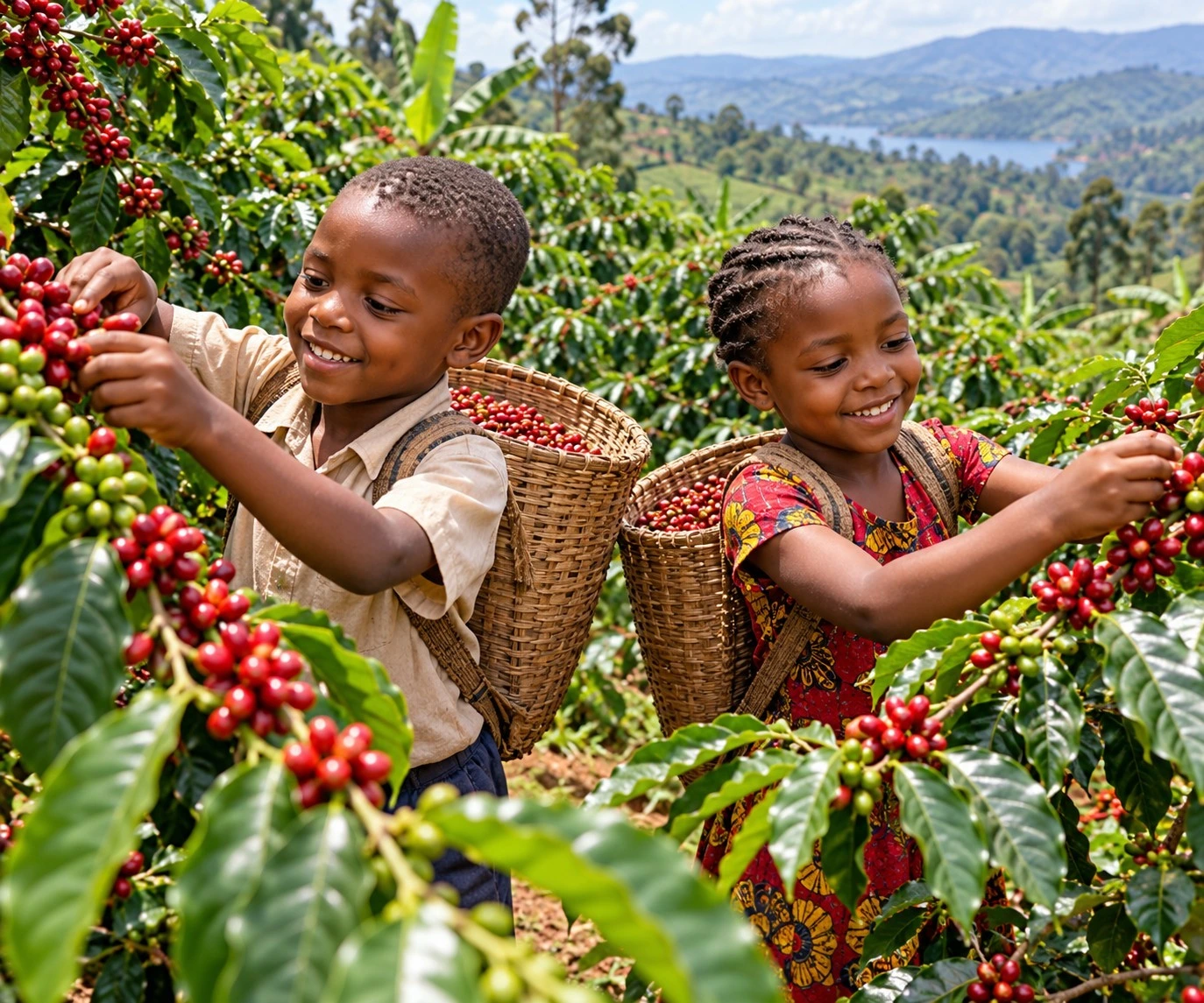
Traditionally, many children in rural African communities acquired practical knowledge through participation in family and community production: identifying crops, caring for animals, observing weather and encountering technologies such as milling, weaving, pottery and blacksmithing. Urbanisation and changing family structures have altered exposure to these environments, so JPGL proposes to restore and modernise experiential learning through safe, supervised and age-appropriate activities, not burdensome child labour.
Students participate in innovation clubs, investigate livelihood challenges, explore technologies, assess markets, and record their progress in a Jungle Professor Global Innovation Scorecard — a portfolio that can accompany learners through secondary education, university, vocational training, enterprise and employment.
The Honey Value-Chain Analogy
Consumers may chew honeycomb to extract its sweetness and discard much of the residue. Yet a beehive produces several valuable components: honey for food, beeswax for candles and cosmetics, propolis for specialised research and products, royal jelly for selected markets, and brood for colony reproduction.
Likewise, a classroom contains learners with different combinations of interests, abilities, experiences and aspirations. When learners are judged almost exclusively through standardised examinations, much of that potential can remain undiscovered. Unlike honeycomb, human aptitudes are dynamic: learners can develop new competencies, change direction and advance through different pathways throughout their lives. That flexibility is fundamental to the JPGL model — see the Institute's five career pathways.
The PLEASETHINKS Framework
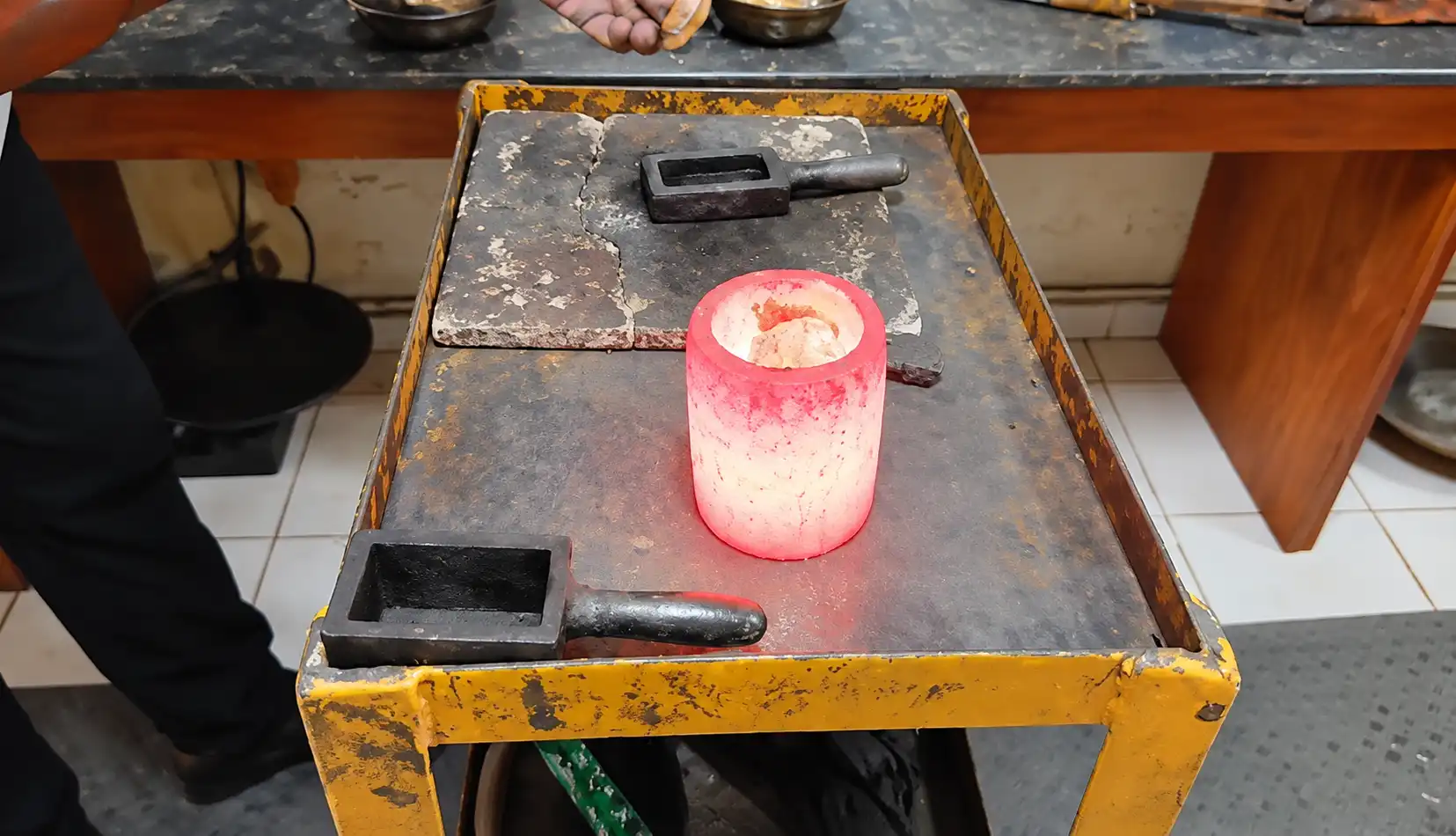
PLEASETHINKS is JPGL's distinctive intellectual framework: the architecture through which the Institute connects natural-resource opportunities, science, technology, entrepreneurship and global markets, delivered through the LIGSTEN strategy above. Each theme connects a natural or conceptual resource — for example, copper connects geology, extraction, refining, electronics, investment and careers — with scientific inquiry, technological application, investment opportunity and professional practice.
The Full PLEASETHINKS Set
All twelve themes are now shaped.






Ready To Explore Innovation & Livelihoods?
Discover our academic programmes built around these themes, or partner with JPGL to help turn natural-resource opportunities into sustainable livelihoods.